
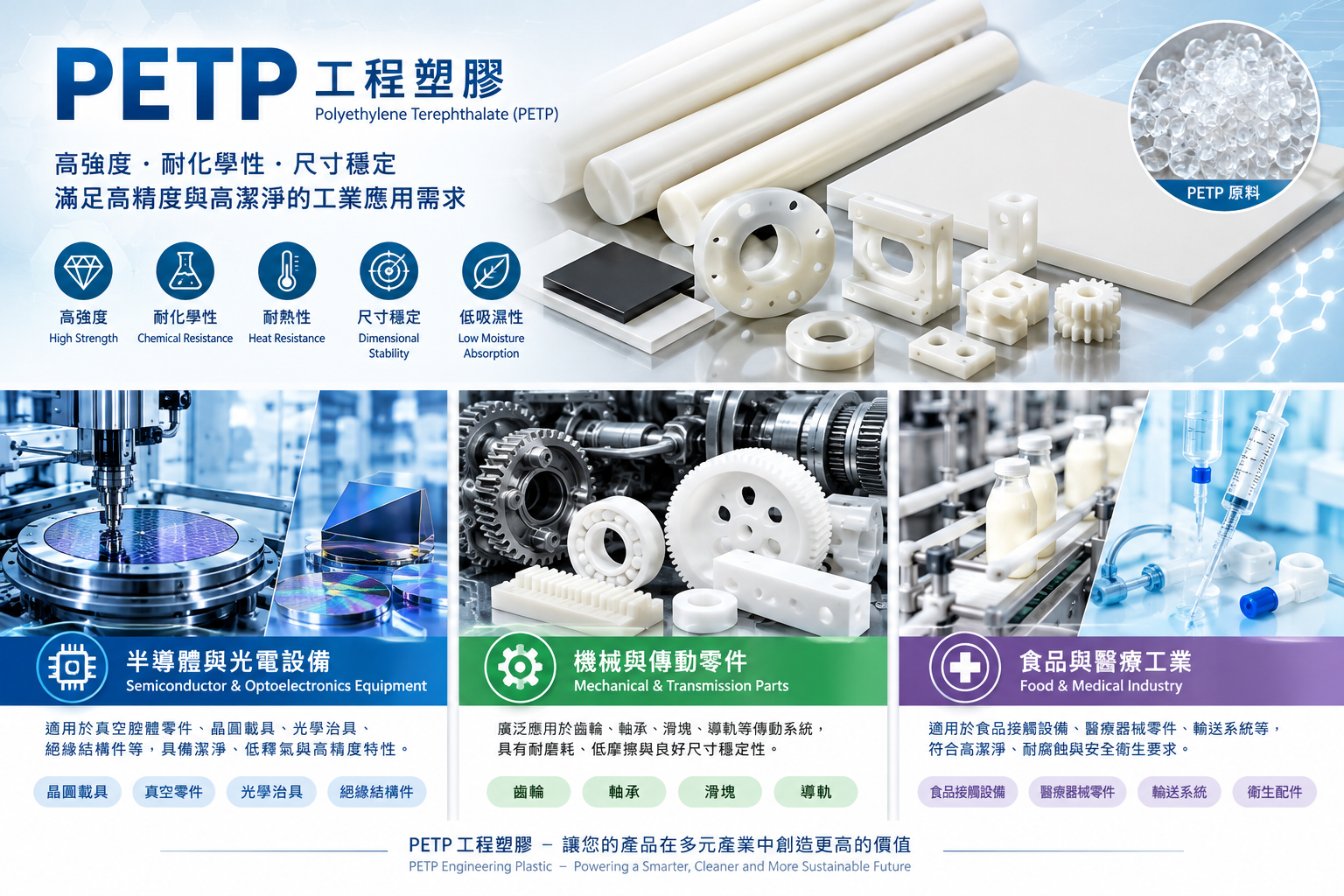
PETP Engineering Plastics Processing | CNC Precision Machining and OEM Parts Manufacturing
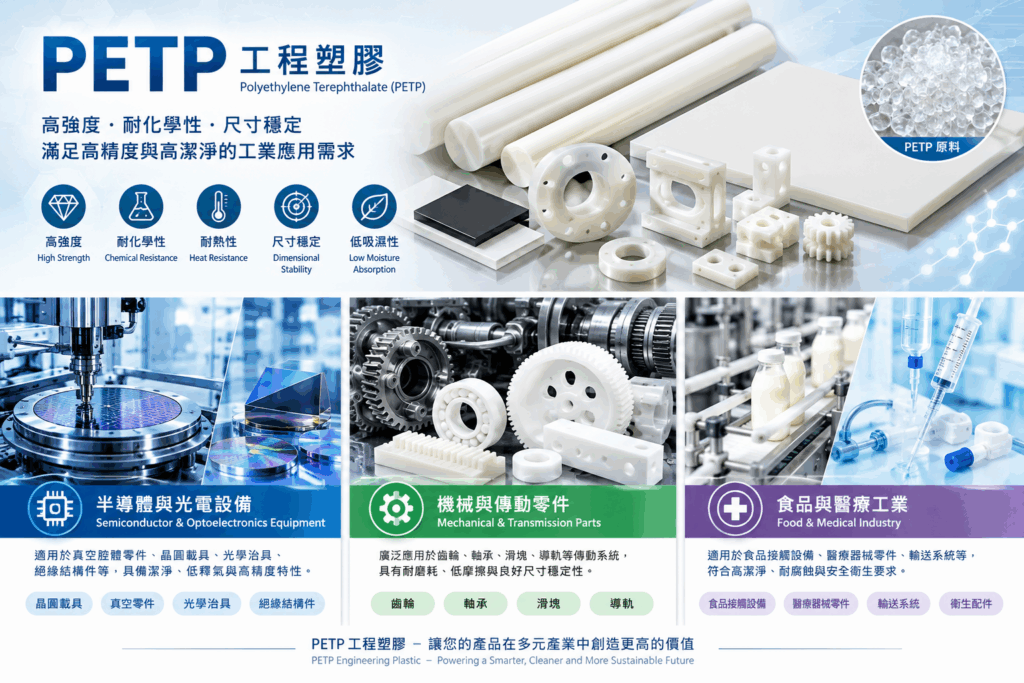
PETP is a commonly used material in precision machinery and engineering plastic parts. For Yung-Yi Technology, there are two ways to enter the market: one is to purchase PETP sheets, bars, or tubes and then process them into precision parts; the other is to directly accept drawings from equipment and machinery manufacturers, providing PETP CNC turning, milling, drilling, and customized parts manufacturing.
The following summarizes the material manufacturing methods, processing considerations, material suppliers, and Taiwanese companies that can prioritize development in the semiconductor, optoelectronics, machinery, food, and medical equipment sectors.
I. What is PETP?
PETP stands for Polyethylene Terephthalate, also known as PET engineering plastic or PET super-strong plastic. It is a semi-crystalline thermoplastic polyester.
It’s important to distinguish PETP engineering plastic sheets and rods from general PET bottle resin and packaging films. Even with the same polymer matrix, differences in crystallinity, molecular weight, additive formulations, molding methods, and material certifications will result in variations in final properties.
Jekin Polymer
PETP Engineering Plastics: Comprehensive Industry Analysis — Material Manufacturing, CNC Machining, Applications, and Potential Customer Development
PETP is a widely used engineering plastic for precision machinery and industrial components. For Yong Yi Technology, there are two main opportunities to enter this market: first, purchasing PETP sheets, rods, or tubes and machining them into precision components; second, accepting customer drawings directly from equipment manufacturers and machinery suppliers to provide PETP CNC turning, milling, drilling, and customized component manufacturing services.
This article covers PETP manufacturing processes, machining considerations, material suppliers, and potential customers in Taiwan’s semiconductor, optoelectronics, machinery, food processing, and medical equipment industries.
1. What Is PETP Engineering Plastic?
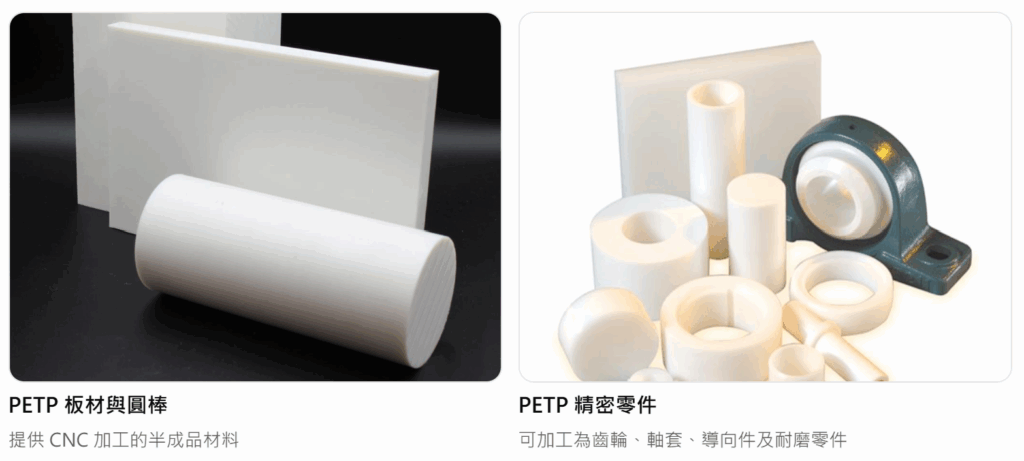
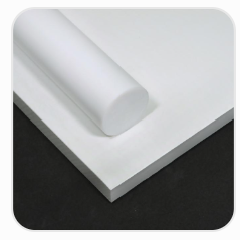
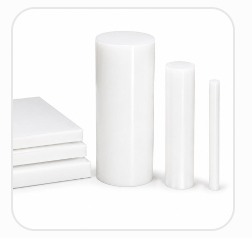
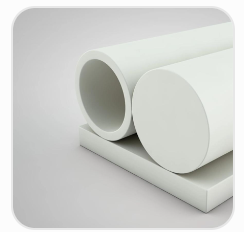
PETP sheets and rods
Semi-finished materials for CNC machining.
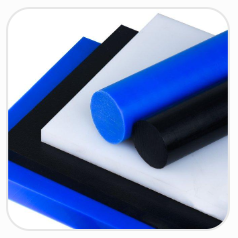
Precision PETP components
Can be machined into gears, bushings, guide components, and wear-resistant parts.
PETP stands for Polyethylene Terephthalate, commonly known as PET engineering plastic or, in some markets, an engineering-grade PET material. It is a semi-crystalline thermoplastic polyester.
It is important to distinguish engineering-grade PETP sheets and rods from conventional PET resin used for beverage bottles and packaging films. Although the underlying polymer may be similar, differences in crystallinity, molecular weight, additives, forming processes, and material certifications can result in different performance characteristics.
Reference: Jekin Polymer and other engineering plastic material suppliers.
Key Material Properties of PETP
| Material Property | Industrial Significance |
|---|---|
| High stiffness and hardness | Suitable for structural components requiring rigidity and dimensional stability |
| Low moisture absorption | Helps reduce moisture-related dimensional changes under suitable conditions |
| Good wear resistance | Suitable for sliding guides, bushings, and rollers |
| Dimensional stability | Suitable for precision plastic components with defined dimensional tolerances |
| Good machinability | Can be processed using CNC lathes, milling machines, and machining centers |
| Electrical insulation | Suitable for certain electrical insulation and equipment support components |
These are general characteristics of the PETP material family. Actual performance depends on the specific grade, technical data sheet (TDS), and machining conditions. PETP is not a universal material for every high-temperature, highly corrosive, or heavily loaded application.
Reference: jyhshann.com.tw and other engineering plastic suppliers.
2. How Is PETP Engineering Plastic Manufactured?
The manufacturing process transforms chemical raw materials into PETP sheets, rods, or tubes suitable for CNC machining. The main stages include polymerization, pelletizing, forming, crystallinity control, and quality inspection.
Stage 1: Raw Materials and Polymerization
The main raw materials are purified terephthalic acid (PTA) and ethylene glycol (EG). Esterification and polycondensation reactions are used to produce PET polymer. Other suitable industrial production routes may also be used.
Stage 2: Polymer Pelletizing and Drying
The polymer is processed into resin pellets, followed by drying and quality control according to the processing requirements.
Moisture management is essential because PET may undergo hydrolysis during high-temperature melt processing, reducing its molecular weight and degrading its mechanical properties.
Stage 3: Extrusion and Other Forming Processes
Depending on the product specifications, extrusion, compression molding, or other suitable forming processes are used to manufacture sheets, rods, tubes, and other semi-finished products.
Different forming methods influence the material’s internal structure, residual stress, and dimensional uniformity.
Stage 4: Crystallinity and Residual Stress Control
Cooling rates, forming temperatures, and necessary post-processing treatments are controlled to improve crystallinity, reduce residual stress, and enhance dimensional stability.
Actual processing conditions depend on the material grade and manufacturing method.
Stage 5: Material Inspection and Delivery
The manufacturer inspects dimensions, appearance, flatness, and material properties. Depending on the order, material certificates, inspection reports, and required compliance documents may be provided before delivery to the machining supplier.
Differences Between PETP Resin Manufacturing and Engineering Plastic Supply
| Supply Chain Level | Main Activities | Potential Cooperation for Yong Yi Technology |
|---|---|---|
| Petrochemical raw material and polymer producers | Manufacture PET polymer or resin | Understand raw material sources and specifications |
| Engineering plastic semi-finished product manufacturers | Convert resin into sheets, rods, and tubes | Purchase suitable CNC machining stock |
| Material agents and distributors | Inventory, cutting, certification, and delivery | Establish multiple sourcing channels |
| Precision CNC machining manufacturers | Manufacture finished parts according to drawings | Develop equipment OEM and component machining business |
| Equipment OEMs and system integrators | Integrate components into equipment and production lines | Build long-term supply relationships and customized manufacturing partnerships |
Practical recommendation: If the objective is to develop PETP CNC machining services, initially purchasing stock from suppliers with reliable inventory and material certification is generally more practical than investing in polymerization or extrusion production facilities.
3. PETP CNC Machining Processes and Quality Control
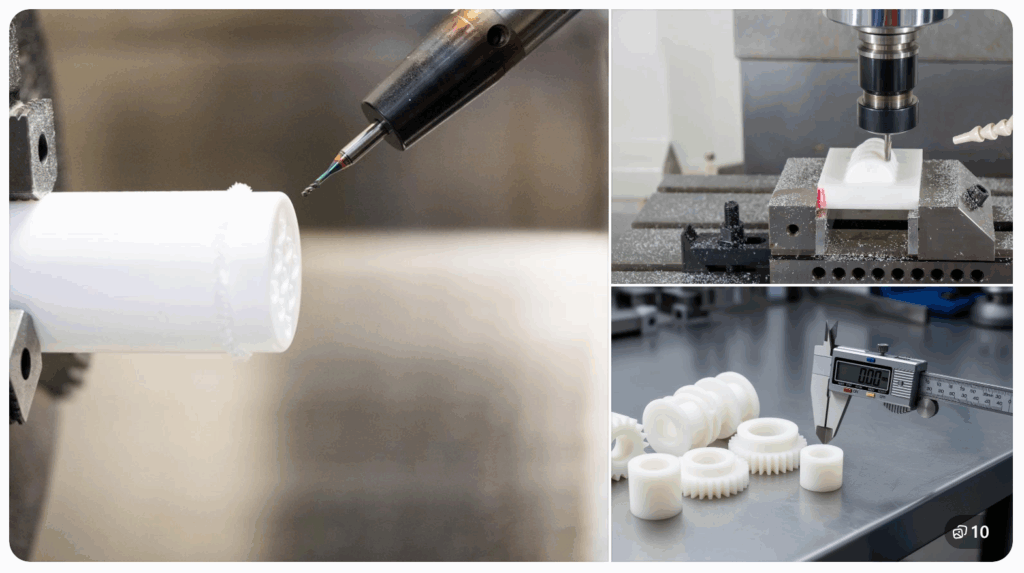
The quality of PETP components depends not only on the material itself but also on tooling, workholding, cutting heat, machining sequence, and measurement methods.
For a precision component manufacturer, the following process flow is recommended.
Recommended Machining Workflow
1. Material verification and incoming inspection
Confirm the PETP grade, color, dimensions, batch number, material certificates, and application requirements. Inspect sheet flatness, rod straightness, and surface defects.
2. Cutting and pre-machining
Prepare appropriate machining allowances based on the final component dimensions. Large or thick-walled parts require consideration of residual stress and potential deformation.
3. CNC rough machining
Use sharp cutting tools suitable for plastics and stable workholding to prevent excessive cutting forces, vibration, or localized overheating.
4. Finish machining and necessary stress relief
Depending on dimensional accuracy, wall thickness, and geometry, arrange finish machining and any necessary material stabilization treatment. Verify that the final dimensions remain within tolerance.
5. Deburring, cleaning, and inspection
Remove burrs, chips, and cutting fluid residues. Inspect critical dimensions, hole spacing, flatness, perpendicularity, and surface appearance.
6. Packaging and traceability
Package components according to cleanliness and scratch-prevention requirements. Record material batches, inspection results, and delivery information.
Eight Important PETP Machining Considerations
| Consideration | Common Risk | Recommended Practice |
|---|---|---|
| Tool selection | Burrs and poor surface finish | Use sharp tools designed for plastic machining |
| Cutting temperature | Thermal deformation and surface smearing | Minimize frictional heat and ensure effective chip evacuation and cooling |
| Workholding | Indentation and clamping deformation | Use soft jaws, supporting fixtures, and appropriate clamping force |
| Machining allowance | Deformation caused by residual stress release | Plan roughing and finishing according to component geometry |
| Deep-hole machining | Poor chip evacuation and scratched hole walls | Use peck drilling where appropriate and ensure chips are removed effectively |
| Thin-wall components | Warping and localized deformation | Improve support and minimize unnecessary cutting forces |
| Dimensional measurement | Temperature and measuring force affecting readings | Control the measurement environment and use appropriate instruments |
| Material traceability | Batch variations and certification discrepancies | Maintain material certificates and batch records |
Special Requirements for Semiconductor, Optoelectronics, and Food Equipment
– Semiconductor equipment: Dimensional accuracy alone is insufficient. Particle generation, ionic contamination, outgassing, cleaning methods, and chemical compatibility must also be evaluated. Standard PETP should not automatically be considered suitable for every vacuum chamber or high-cleanliness process.
– Optoelectronics and precision optical equipment: Important factors include flatness, positioning accuracy, surface scratches, dimensional repeatability, and electrostatic control requirements.
– Food processing machinery: Confirm that the specific material grade complies with applicable food-contact regulations in the target market. Evaluate cleaning agents, operating temperatures, contact duration, and cleaning cycles.
– Medical equipment: General industrial-grade PETP is not automatically medical-grade material. For direct human contact or medical fluid applications, verify biocompatibility, sterilization compatibility, and relevant regulatory documentation.
For Yong Yi Technology, offering material batch traceability, inspection records, clean packaging, and drawing-based manufacturing in addition to CNC dimensional accuracy can improve competitiveness in demanding equipment supply chains.
4. PETP Material Manufacturers and Suppliers
The following companies are potential engineering plastic suppliers in Taiwan. Some are material manufacturers or processors, while others are agents or distributors. Not every company listed should be considered a primary PET resin polymer producer.
1. Jyh Shann Electric Bakelite Plastics Co., Ltd. (Jyh Shann)
Priority supplier for inquiry
Provides various engineering plastic sheets, rods, and tubes. Public product information includes PETP.
Telephone: +886-3-301-1081 to 1085
Official PETP product information:
https://www.jyhshann.com.tw/e-web/petp.htm
2. Chenway Plastic Co., Ltd.
Public product information includes PETP, PEEK, and POM engineering plastics. The company offers sheets, rods, tubes, and related plastic machining services.
Telephone: +886-4-2291-6188
Official company information:
https://www.chenwayco.com.tw/about-us.html
3. Weiheng Enterprise Co., Ltd.
Supplies various engineering plastic sheets, rods, tubes, and machining services. Public product information includes PETP.
Telephone: +886-2-2297-2298
Official company information:
https://www.weiheng.com.tw/about-us.html
4. INGEMI
Public product information includes PETP, POM, PEEK, and other engineering plastics. The company can be approached to confirm material grades, specifications, and supply conditions.
Official product page:
https://www.ingemi.com.tw/zh-tw/Product
5. Wei Zheng Plastic Co., Ltd.
Public information lists PETP sheets and rods, along with engineering plastic sales and machining services.
Telephone: +886-6-2700-852
Official PETP product page:
https://www.wei-zheng.tw/product-17.html
6. Yihang Plastic
Public product information includes PET/PETP sheets, rods, blocks, and cutting services. Contact the company to confirm Taiwan delivery arrangements, batch certification, and current stock.
PET/PETP product page:
https://yihangplastic.com/engineering-plastics/pet-petp-sheet-rod
The companies above are potential material sourcing partners. Their inclusion does not mean that every company manufactures PETP resin directly or currently stocks all dimensions.
When requesting quotations, confirm the material origin, grade, rod diameter, sheet thickness, cutting tolerances, batch traceability, and lead time.
Information to Confirm When Purchasing PETP
- PETP brand, manufacturer, and country of origin.
- Whether the material is virgin, recycled, or formulated with special additives.
- Available sheet, rod, and tube sizes, including minimum order quantities.
- Technical data sheets (TDS) and material certificates.
- Documentation required for food-contact, medical, electronic, or cleanroom applications.
- Cutting services, pricing, freight, and delivery lead time.
5. Potential PETP Customers in Taiwan
The following companies have been selected based on their publicly described equipment, products, and industry positions. They are potential business development targets, not confirmed current PETP buyers. Actual material requirements, specified grades, and supplier qualification requirements must be confirmed with their purchasing or engineering departments.
A. Semiconductor and Optoelectronics Equipment Manufacturers
These companies may be worth approaching. However, PETP is not necessarily suitable for every process location. Initial opportunities should focus on peripheral equipment mechanisms, guide components, insulating supports, maintenance replacement parts, and non-process-contact components.
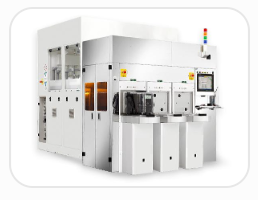
1. Grand Process Technology Corporation
Industry: Semiconductor wet-process equipment.
Potential components:
- Equipment guide components.
- Non-process-contact support components.
- Insulating spacers.
- Precision plastic replacement parts for equipment maintenance.
Priority: High.
Industry reference:
2. Scientech Corporation
Industry: Semiconductor equipment, wet-process systems, and related services.
Potential components:
- Equipment positioning components.
- Sliding guides.
- Plastic maintenance parts.
- Custom fixtures and jigs.
Industry reference:
https://penchan.co/en/market/ai/supply-chain/semiconductor-equipment
3. Hermes-Epitek Corporation
Industry: Semiconductor process equipment and equipment integration.
Potential cooperation opportunities:
- Equipment component maintenance.
- Customized fixtures.
- Peripheral equipment mechanisms.
- Replacement components and spare parts.
Industry reference:
https://www.teeia.org.tw/public/en/manufacture?cate=101
4. Foxsemicon Integrated Technology Inc.
Industry: Semiconductor equipment, precision modules, automation, and related equipment manufacturing.
Potential components:
- Non-process-contact mechanical components.
- Positioning parts.
- Insulating components.
- Plastic components for equipment assembly.
Industry reference:
https://www.teeia.org.tw/en/manufacture?cate=20&theme=all
5. SCREEN SPE Taiwan
Industry: Semiconductor cleaning and process equipment.
Potential cooperation opportunities:
- Maintenance replacement parts.
- Peripheral equipment fixtures.
- Plastic mechanical components approved by the engineering department.
Official website:
B. Machinery, Automation, and Transmission Equipment Manufacturers
These companies may be approached for customized components such as guides, sliders, bushings, rollers, spacers, gears, and fixtures.
PETP suitability must be assessed according to load, friction, operating temperature, and required service life.
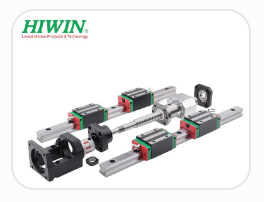
1. HIWIN Technologies Corp.
Potential components:
- Plastic spacers for non-core transmission mechanisms.
- Guide components.
- Protective parts.
- Assembly fixtures and auxiliary components.
Recommended approach: Offer peripheral equipment plastic components and drawing-based OEM manufacturing rather than assuming that HIWIN’s core transmission products use PETP.
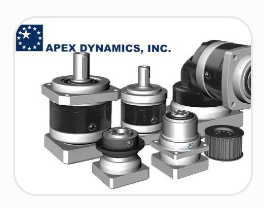
2. Apex Dynamics, Inc.
Potential components:
- Positioning parts around gearboxes.
- Spacers and sleeves.
- Assembly fixtures.
- Auxiliary mechanical components.
3. Mirle Automation Corporation
Potential components:
- Guide components for automated production lines.
- Sliding parts.
- Positioning fixtures.
- Auxiliary conveyor mechanism components.
Recommended approach: Target outsourced machining projects, customized parts, and maintenance spares.
These companies are potential development targets, but publicly available information does not confirm their current PETP purchasing requirements. Contact equipment design, mechanical engineering, maintenance, or outsourced procurement departments.
C. Food Processing and Food Packaging Machinery Manufacturers
Food equipment is a potential PETP application market, particularly for conveyor guides, star wheels, sliders, wear pads, positioning components, and certain room-temperature or low-temperature mechanical applications.
For components that directly contact food, compliance with the applicable food-contact regulations must be confirmed.
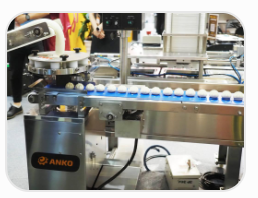
1. ANKO Food Machine Co., Ltd.
Potential demand areas:
- Food forming equipment.
- Conveyor systems.
- Automated food production equipment.
Suggested components:
- Wear-resistant guide components.
- Positioning blocks.
- Bushings.
- Equipment sliders.
- Drawing-based replacement components.
Official website:
2. JETMAK Machinery Co., Ltd.
Potential components:
- Conveyor guides.
- Sliding components.
- Positioning fixtures.
- Plastic replacement parts for equipment maintenance.
Official website:
3. YODA Machinery Co., Ltd.
Potential components:
- Filling equipment guide components.
- Positioning blocks.
- Sliders.
- Conveyor mechanism parts.
- Dedicated fixtures.
Official website:
4. Hundred Machinery Co., Ltd.
Potential components:
- Forming mechanism parts.
- Sliding and wear-resistant components.
- Equipment positioning parts.
- Customized engineering plastic components.
Official website:
5. FOODMAX
Potential components:
- Packaging equipment guide components.
- Conveyor parts.
- Wear-resistant liners.
- Plastic assembly components.
Official website:
D. Medical Equipment and Medical Device Manufacturers
The medical market generally has higher qualification requirements than conventional machinery manufacturing.
PETP may be evaluated for selected internal equipment mechanisms, fixtures, supports, and non-implantable components. However, the material name alone does not establish suitability for medical applications.
1. SHL Medical
Potential components:
- Production equipment fixtures.
- Non-patient-contact mechanical components.
- Assembly positioning parts.
- Replacement parts for automated equipment.
Official website:
2. Medeon Biodesign, Inc.
Potential components:
- Product development fixtures.
- Plastic components for testing.
- Auxiliary equipment mechanisms.
- Prototype components manufactured according to drawings.
Official website:
3. Foxsemicon Integrated Technology Inc.
Potential components:
- Equipment supports.
- Assembly fixtures.
- Precision plastic mechanical components.
- Production automation parts.
Industry reference:
https://www.teeia.org.tw/en/manufacture?cate=20&theme=all
6. Which Customer Segments Should Yong Yi Technology Prioritize?
For PETP CNC precision component manufacturing, the following is a recommended business development sequence.
| Priority | Target Customer Segment | Recommended Components | Key Selling Points |
|---|---|---|---|
| 1 | Food processing machinery manufacturers | Guides, sliders, bushings, wear parts | Start with general mechanical components and replacement parts |
| 2 | Automation equipment manufacturers | Positioning parts, spacers, fixtures, rollers | Custom manufacturing, low-volume/high-mix production, drawing-based machining |
| 3 | Semiconductor equipment manufacturers | Peripheral plastic components, supports, fixtures | Material traceability, cleanliness, and precision |
| 4 | Optoelectronics and precision equipment manufacturers | Positioning blocks, insulating parts, precision mechanisms | Dimensional stability, surface quality, and repeatability |
| 5 | Medical equipment manufacturers | Production fixtures and equipment mechanical components | Documentation, material compliance, and quality systems |
This sequence is based on typical component applications and the relative difficulty of entering each supply chain. It does not represent actual purchasing volumes or confirmed PETP demand from the listed companies.
7. How Yong Yi Technology Can Promote Its PETP Machining Services
Recommended service positioning:
PETP Engineering Plastic CNC Machining | Precision CNC Machining and OEM Component Manufacturing
Rather than simply stating that PETP machining is available, promotional materials should clearly communicate the specific components and services customers can outsource.
- Machining capabilities: CNC turning, milling, drilling, tapping, and precision dimensional machining.
- Component types: Guides, sliders, bushings, rollers, gears, positioning blocks, insulating supports, and custom fixtures.
- Cooperation models: Drawing-based machining, low-volume prototyping, OEM component manufacturing, batch production, and maintenance replacement parts.
- Quality services: Dimensional inspection, material batch traceability, and relevant documentation according to customer requirements.
- Target industries: Semiconductor and optoelectronics equipment, industrial automation, food processing machinery, precision machinery, and medical equipment manufacturing.
Yong Yi Technology Co., Ltd. Precision CNC Machining | Engineering Plastic Components | OEM Manufacturing Taiwan
+2
PETP 的主要材料特性
| 材料特性 | 對工業加工的意義 |
|---|---|
| 高剛性與硬度 | 適合需要支撐力及形狀穩定性的機構零件 |
| 低吸水率 | 在適當環境下,有利於降低吸濕引起的尺寸變化 |
| 良好耐磨性 | 可用於滑動導軌、襯套、滾輪等零件 |
| 尺寸穩定性 | 適合具有尺寸公差要求的精密塑膠零件 |
| 良好加工性 | 可利用 CNC 車床、銑床與加工中心製造 |
| 電氣絕緣性 | 可用於部分電氣絕緣與設備支撐零件 |
以上為材料家族的一般特性,實際性能仍應以指定牌號的技術資料表(TDS)及加工條件為準。PETP 不是適用所有高溫、強酸鹼或高負載場合的通用材料。
二、PETP 工程塑膠是如何製造的?
PETP 從化學原料變成可供 CNC 加工的板材或圓棒,大致分為聚合、造粒、成型、結晶控制及品質檢驗等階段。

第 1 階段|化學原料與聚合反應
主要原料為對苯二甲酸(PTA)與乙二醇(EG),經酯化及縮聚反應形成 PET 聚合物。工業製程也可採用其他相應原料路線。

第 2 階段|聚合物造粒與乾燥
將聚合物製成樹脂粒料,再依加工規格進行乾燥與品質控制。水分管理非常重要,因為 PET 在高溫熔融加工時可能發生水解,造成分子量及性能下降。

第 3 階段|擠出或其他成型製程
依產品規格選擇擠出、模壓或其他適用成型方式,製成板材、圓棒、管材或其他半成品。不同製程會影響內部結構、應力及尺寸均勻性。

第 4 階段|結晶與內應力控制
透過控制冷卻速率、成型溫度及必要的後處理,改善材料的結晶狀態、內應力及尺寸穩定性。實際條件依材料牌號與製程而定。

第 5 階段|材料檢驗與出貨
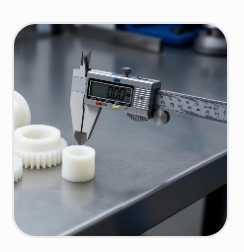
檢查尺寸、外觀、平整度及材料性能,依訂單提供材質證明、檢驗報告或指定合規文件,再交付加工廠。
PETP 原料製造與工程塑膠材料供應的差異
| 供應鏈層級 | 主要工作 | 詠翊科技的合作方向 |
|---|---|---|
| 石化原料與聚合廠 | 生產 PET 聚合物或樹脂 | 了解原料來源與材料規格 |
| 工程塑膠半成品製造商 | 將樹脂製成板、棒、管 | 採購適合 CNC 加工的材料 |
| 材料代理商與經銷商 | 庫存、切料、材料證明與配送 | 建立多來源供應管道 |
| CNC 精密加工廠 | 依圖面製作成品零件 | 承接設備 OEM、零件代工 |
| 設備 OEM 與系統整合商 | 將零件整合進設備或產線 | 發展長期供應與客製化合作 |
實務建議: 若目標是發展 PETP CNC 加工業務,初期通常先向有穩定庫存、可提供材料證明的板棒材供應商採購,比自行投資聚合或擠出生產線更容易切入市場。
三、PETP CNC 加工製程與品質控制
PETP 的成品品質不只取決於材料本身,也受到刀具、夾持、切削熱、加工順序及量測方式影響。對精密零件代工廠而言,建議建立以下製程流程。
建議加工流程
- 材料確認與進料檢驗確認 PETP 牌號、顏色、尺寸、批次、材料證明及用途要求,並檢查板材平整度、圓棒直線度與表面缺陷。
- 下料與預加工依成品尺寸保留合理加工餘量。大型或厚壁零件應考量材料內應力及後續變形。
- CNC 粗加工採用適合塑膠的鋒利刀具及穩定夾持方式,避免切削力過大、工件震動或局部過熱。
- 精加工與必要的應力釋放依零件精度、壁厚與幾何形狀,安排精加工及必要的材料穩定處理,再確認尺寸是否仍在公差內。
- 去毛邊、清潔及檢驗清除孔口毛邊、碎屑與切削液殘留,檢查關鍵尺寸、孔距、平面度、垂直度及外觀。
- 包裝與追溯依潔淨度與防刮要求包裝,記錄材料批次、檢驗結果及交貨資訊。
加工時最需要注意的 8 個問題
| 注意項目 | 常見風險 | 建議做法 |
|---|---|---|
| 刀具選擇 | 毛邊、表面粗糙 | 使用鋒利、適合塑膠切削的刀具 |
| 切削溫度 | 熱變形、表面熔黏 | 避免摩擦過熱,適當排屑及冷卻 |
| 夾持方式 | 壓痕、夾持變形 | 使用軟爪、支撐治具及適當夾持力 |
| 加工餘量 | 內應力釋放造成變形 | 依零件尺寸與結構規劃粗、精加工 |
| 深孔加工 | 排屑不良、孔壁刮傷 | 分段鑽削並確保切屑能順利排出 |
| 薄壁零件 | 翹曲、局部變形 | 加強支撐、降低不必要的切削力 |
| 尺寸量測 | 溫度與量測力影響讀值 | 控制量測環境,使用合適量具 |
| 材料追溯 | 批次性能差異、認證不符 | 保存材質證明與批次紀錄 |
半導體、光電及食品設備的特殊要求
- 半導體設備: 不能只看尺寸精度,還要確認粒子、離子污染、放氣、清潔方式及化學相容性。一般 PETP 不應直接視為適用於所有真空腔體或高潔淨製程。
- 光電與精密光學設備: 著重平面度、定位精度、表面刮傷、尺寸重複性及靜電控制需求。
- 食品機械: 必須確認實際牌號是否符合目標市場的食品接觸規範,並評估清潔劑、工作溫度、接觸時間及清洗循環。
- 醫療設備: 一般工業級 PETP 不等於醫療級材料。若用於直接接觸人體或醫療流體,必須確認生物相容性、滅菌相容性及相關法規文件。
對詠翊科技來說,除了 CNC 尺寸能力之外,若能提供材料批次追溯、檢驗紀錄、潔淨包裝及依圖面製造服務,更有利於開發高要求的設備供應鏈。
四、PETP 材料製造商與供應商名單
以下先列出台灣可洽詢的工程塑膠供應商。需要說明的是,公開資料中有些公司屬於材料製造或加工廠,有些屬於代理商、經銷商;不能把所有供應商都當成 PETP 原生樹脂聚合製造商。
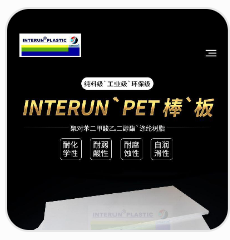
1. 至善電木塑膠股份有限公司(Jyh Shann)
提供多種工程塑膠板材、圓棒及管材,公開產品資料包含 PETP。
優先洽詢
電話:+886-3-301-1081~1085
jyhshann.com.tw
#PETP工程塑膠 #PETP精密加工 #工程塑膠CNC加工 #塑膠零件加工 #半導體設備零件 #光電設備零件 #精密機械零件 #機械傳動零件 #食品機械零件 #醫療設備零件 #精密塑膠加工 #詠翊科技 #YongYiTechnology
#PETP工程塑膠加工、#PETP #CNC加工、#工程塑膠CNC加工、#PETP精密加工、#工程塑膠零件代工
#PETP板材加工、#PETP圓棒加工、#PETP塑膠齒輪、#PETP軸套加工、#半導體設備塑膠零件、#光電設備零件加工
PETP材料特性、#PETP加工注意事項、#PETP與POM差異、#PETP製造流程、#PETP材料供應商
以上名單是材料採購與供應鏈洽詢名單,不代表每家都自行生產 PETP 樹脂,也不代表目前所有尺寸均有現貨。詢價時應確認材料產地、牌號、棒材直徑、板材厚度、切料公差、批次追溯及交期。
向材料商詢價時,建議一次確認這些資訊
- PETP 材料的品牌、製造商與產地。
- 是否為原生料、再生料或含特殊添加配方。
- 板材、圓棒、管材的現貨尺寸及最低訂購量。
- 材料技術資料表(TDS)與材質證明。
- 食品接觸、醫療、電子或潔淨用途所需的文件。
- 材料切料服務、價格、運費與交期。
五、哪些廠商可能需要 PETP?台灣潛在客戶開發名單
以下依產業、設備類型及可能使用的零件,整理適合詠翊科技開發的企業。
重要說明: 下列公司是根據其公開的設備或產業定位,篩選出的潛在客戶,並非已確認這些公司目前採購 PETP。實際材料需求、指定牌號與供應商資格,仍須由採購或工程部門確認。
A. 半導體與光電設備商
這類客戶值得優先接觸,但 PETP 不一定適用於所有製程位置。建議鎖定設備外圍機構、導向件、絕緣支撐件、維修替換零件及非製程接觸零件。
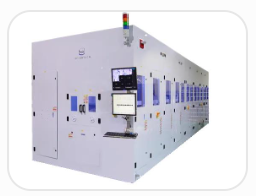
1. 弘塑科技(Grand Process Technology)
優先開發
產業:半導體濕製程設備
潛在零件:設備導向件、非製程接觸支撐件、絕緣墊片、設備維修用精密塑膠零件。
Semiconductor Equipment |
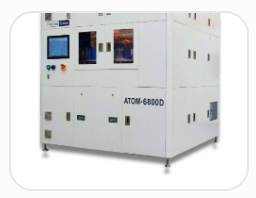
2. 辛耘企業(Scientech)
產業:半導體設備、濕製程與相關服務
潛在零件:設備定位零件、滑動導向件、設備維護用塑膠零件及治具。
Penchan
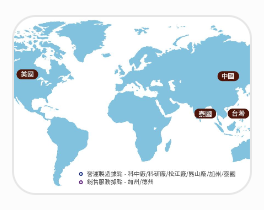
3. 漢民科技(Hermes-Epitek)
產業:半導體製程設備與設備整合
潛在切入點:設備零件維修、客製化治具、設備外圍機構零件與替換件供應。
TEEIA 台灣電子製造設備工業同業公會
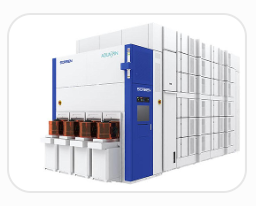
4. 京鼎精密科技(Foxsemicon)
產業:半導體設備、精密模組、自動化與醫療設備
潛在零件:非製程接觸的機構零件、定位件、絕緣零件及設備組裝用塑膠元件。
TEEIA 台灣電子製造設備工業同業公會
5. 台灣迪恩士半導體科技(SCREEN SPE Taiwan)
產業:半導體清洗與製程設備
潛在切入點:維修替換零件、設備周邊治具與經工程部門核可的塑膠機構件。
google.com
B. 機械、自動化與傳動設備商
這一類通常比較容易從客製化零件切入,尤其是導軌、滑塊、軸套、滾輪、墊片、齒輪與治具。是否採用 PETP,需依負載、摩擦、溫度與使用壽命決定。
1. 上銀科技(HIWIN)
潛在零件:非核心傳動機構用塑膠隔套、導向件、防護件、組裝治具及輔助零件。
開發方向:設備周邊塑膠加工件或指定圖面的 OEM 零件,而非直接假設其核心傳動產品使用 PETP。
2. 台灣精銳科技(Apex Dynamics)
潛在零件:減速機周邊定位件、墊片、隔套、裝配治具及設備輔助機構件。
3. 盟立自動化(Mirle Automation)
潛在零件:自動化產線導向件、滑動零件、定位治具、輸送機構輔助零件。
開發方向:設備專案外包加工、客製化零件與維修備品。
上述機械與自動化企業適合作為業務開發對象,但公開資訊不足以證明其目前有 PETP 採購需求。建議從設備設計、機構工程、維修與外包採購窗口切入。
C. 食品加工與食品包裝機械商
食品設備是值得測試的 PETP 應用市場,特別是輸送導軌、星輪、滑塊、耐磨墊片、定位件及部分低溫或常溫作業的機構零件。若零件直接接觸食品,必須先確認材料符合適用的食品接觸規範。
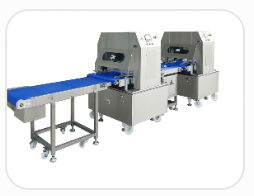
1. 安口食品機械(ANKO)
需求機會:食品成型機、輸送系統與自動化設備零件
建議提案:耐磨導向件、定位座、軸套、設備滑塊及依圖面加工的替換件。
google.com
2. 捷盟機械科技(JETMAK)
可能需求:輸送導軌、滑動零件、定位治具及設備維修用塑膠加工件。
google.com
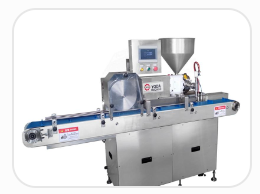
3. 侑達機械工業(YODA Machinery)
可能需求:充填設備導向件、定位座、滑塊、輸送機構零件與專用治具。
google.com
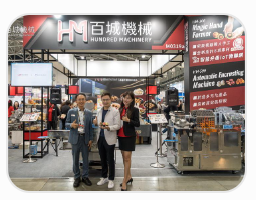
4. 百城機械(Hundred Machinery)
可能需求:成型機構零件、滑動耐磨件、設備定位零件及客製化工程塑膠加工件。
google.com
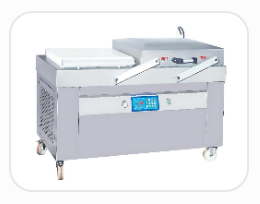
5. 豐華食品機械(FOODMAX)
可能需求:包裝設備導向件、輸送零件、耐磨襯片及裝配用塑膠零件。
google.com
D. 醫療設備與醫療器材產業
醫療市場的門檻高於一般機械零件。PETP 可評估用於部分設備內部機構、治具、支撐件與非植入式零件;但不能因為材料名稱相同,就認定符合醫療用途。
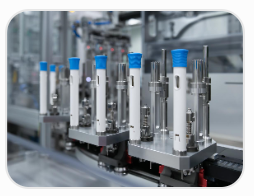
1. SHL Medical 瑞健醫療
可能需求:生產設備治具、非患者接觸的機構零件、組裝定位件與自動化設備替換件。
google.com
+1
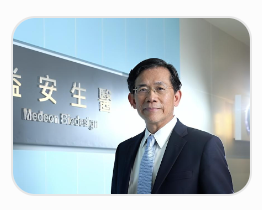
2. 益安生醫(Medeon Biodesign)
可能需求:產品開發治具、測試用塑膠零件、設備輔助機構及依圖面製作的樣品。
google.com
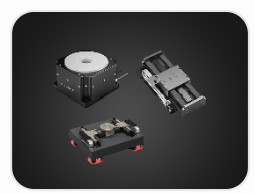
3. 京鼎精密科技
可能需求:設備支撐件、組裝治具、精密塑膠機構零件及生產自動化零件。
TEEIA 台灣電子製造設備工業同業公會
六、哪一類客戶最值得詠翊科技優先開發?
若以 PETP CNC 精密零件代工為目標,我建議依照下列順序安排業務開發。
| 優先順序 | 目標客戶 | 推薦切入產品 | 開發重點 |
|---|---|---|---|
| 1 | 食品加工機械商 | 導軌、滑塊、軸套、耐磨件 | 先從一般機構件與替換零件切入 |
| 2 | 自動化設備商 | 定位件、隔套、治具、滾輪 | 客製化、少量多樣、圖面加工 |
| 3 | 半導體設備商 | 設備外圍塑膠件、支撐件、治具 | 材料追溯、潔淨度及精度 |
| 4 | 光電與精密設備商 | 定位座、絕緣件、精密機構件 | 尺寸穩定、表面品質與重複精度 |
| 5 | 醫療設備商 | 生產治具、設備機構件 | 文件完整性、材料合規與品質系統 |
這是根據典型零件應用及供應鏈切入難度所做的開發建議,不是上述公司實際採購量的排名。
七、詠翊科技
建議將產品服務定位為:
PETP Engineering Plastic CNC Machining|PETP 工程塑膠精密 CNC 加工與 OEM 零件製造
對外推廣時,不要只宣傳「有加工 PETP 材料」,而是清楚呈現客戶能委託的零件與服務。
- 加工項目: CNC 車削、銑削、鑽孔、攻牙、精密尺寸加工。
- 產品類型: 導軌、滑塊、軸套、滾輪、齒輪、定位座、絕緣支撐件及專用治具。
- 合作方式: 依圖面加工、少量打樣、OEM 零件代工、批量生產與維修替換件。
- 品質服務: 依客戶需求提供尺寸檢驗、材料批次追溯及相關文件。
- 應用市場: 半導體與光電設備、工業自動化、食品機械、精密機械及醫療設備製造。
詠翊科技有限公司

location_on 42756 台灣台中市潭子區大豐路一段188-9號
email yongyi-sales@umail.hinet.net
email justinwu6767@gmail.com